

The Role of Biochar in Mitigating Climate Change
Long-Term Carbon Storage
Biochar locks carbon into the soil for hundreds of years, preventing it from being released back into the atmosphere as carbon dioxide (CO₂). This long-term carbon sequestration helps mitigate climate change by reducing greenhouse gas concentrations.
Reduces Pollution from Organic Waste
Organic waste such as water hyacinth is transformed into biochar instead of being openly burned or discarded into the environment. This reduces air pollution, minimizes waste, and provides a productive use for biomass that would otherwise become an environmental burden.
Supports a Circular Economy
Biochar production is an excellent example of the circular economy in action. Organic waste materials are converted into a valuable resource that improves soil health, supports sustainable agriculture, and reduces the need for waste disposal.
Helps Control Water Hyacinth
Water hyacinth, an invasive aquatic plant that often covers rivers and lakes, can be effectively managed by converting it into biochar. Instead of becoming a nuisance that blocks waterways and disrupts aquatic ecosystems, it becomes a beneficial product that contributes to soil restoration and environmental sustainability.


Biochar
Biochar is a carbon-rich material produced by heating organic biomass such as wood, agricultural waste, rice husks, or leaves through a process called pyrolysis, which involves burning biomass with little or no oxygen. Unlike ordinary charcoal, biochar is specifically designed for environmental applications, particularly as a soil amendment. Its highly porous structure enables biochar to retain water and nutrients in the soil for extended periods, helping to improve soil fertility and support healthy plant growth. In addition, biochar plays an important role in mitigating climate change. The carbon stored within biochar can remain locked in the soil for hundreds of years, reducing the amount of carbon dioxide (CO₂) released into the atmosphere. The use of biochar also enhances beneficial microbial activity in the soil, improves soil structure, and reduces the need for chemical fertilizers. As a result, biochar has become an environmentally friendly solution for sustainable agriculture and organic waste management. In simple terms, biochar is more than just charcoal it is an innovative way to transform organic waste into a valuable resource that benefits the soil, supports plant growth, and contributes to a healthier environment.
Why Should We Use Biochar?
As awareness of environmental sustainability continues to grow, more people are looking for solutions that benefit not only their plants but also the planet. One of the most promising innovations in sustainable agriculture is biochar. But why should we use it?
Biochar is much more than ordinary charcoal. It is produced by converting organic waste such as wood, rice husks, and dried leaves through a process called pyrolysis, in which biomass is heated with little or no oxygen. This process creates a highly porous material with exceptional properties for improving soil health.
One of the primary reasons to use biochar is its ability to enhance soil fertility. Its porous structure allows the soil to retain water and nutrients for longer periods, making it especially valuable in dry regions or areas with poor soil quality. With improved moisture and nutrient retention, plants can grow healthier and become more resilient.
Biochar also helps reduce dependence on chemical fertilizers. Because nutrients remain available in the soil for longer, fertilizers are used more efficiently. This not only lowers production costs but also minimizes the environmental impact associated with excessive fertilizer use.
Another major advantage is biochar's role in combating climate change. The carbon stored in biochar can remain locked in the soil for hundreds of years, effectively preventing it from being released into the atmosphere as carbon dioxide (CO₂). By sequestering carbon in this way, biochar contributes to reducing greenhouse gas emissions and mitigating global warming.
From a waste management perspective, biochar offers a smart and sustainable solution. Organic materials that would otherwise be burned or discarded can be transformed into a valuable resource. This supports the principles of the circular economy by turning waste into a product that benefits both agriculture and the environment.
Equally important, biochar creates a favorable habitat for beneficial soil microorganisms. These microbes play a vital role in maintaining healthy soil ecosystems, improving nutrient cycling, and supporting stronger plant growth.
With all of these benefits, biochar is more than just an alternative it is becoming an essential component of modern sustainable agriculture. Using biochar means not only nurturing healthier crops but also protecting soil health, reducing environmental impacts, and contributing to a more sustainable future.
Ultimately, choosing biochar is a small step that creates a significant impact for more fertile soils, healthier ecosystems, and a greener planet.
How Is Biochar Made?
1. Collecting Organic Materials
The production process begins by gathering locally available biomass, including:
Small branches and wood pieces
Rice husks
Dried leaves
Water hyacinth (which must be dried before use)
These materials are readily available and help transform organic waste into a useful resource.
2. Drying the Materials
All feedstock especially water hyacinth must be thoroughly dried before carbonization.
Drying reduces the moisture content of the biomass.
This step is particularly important because water hyacinth naturally contains a high percentage of water.
Properly dried materials produce higher-quality biochar and improve the efficiency of the pyrolysis process.
3. Controlled Burning (Pyrolysis)
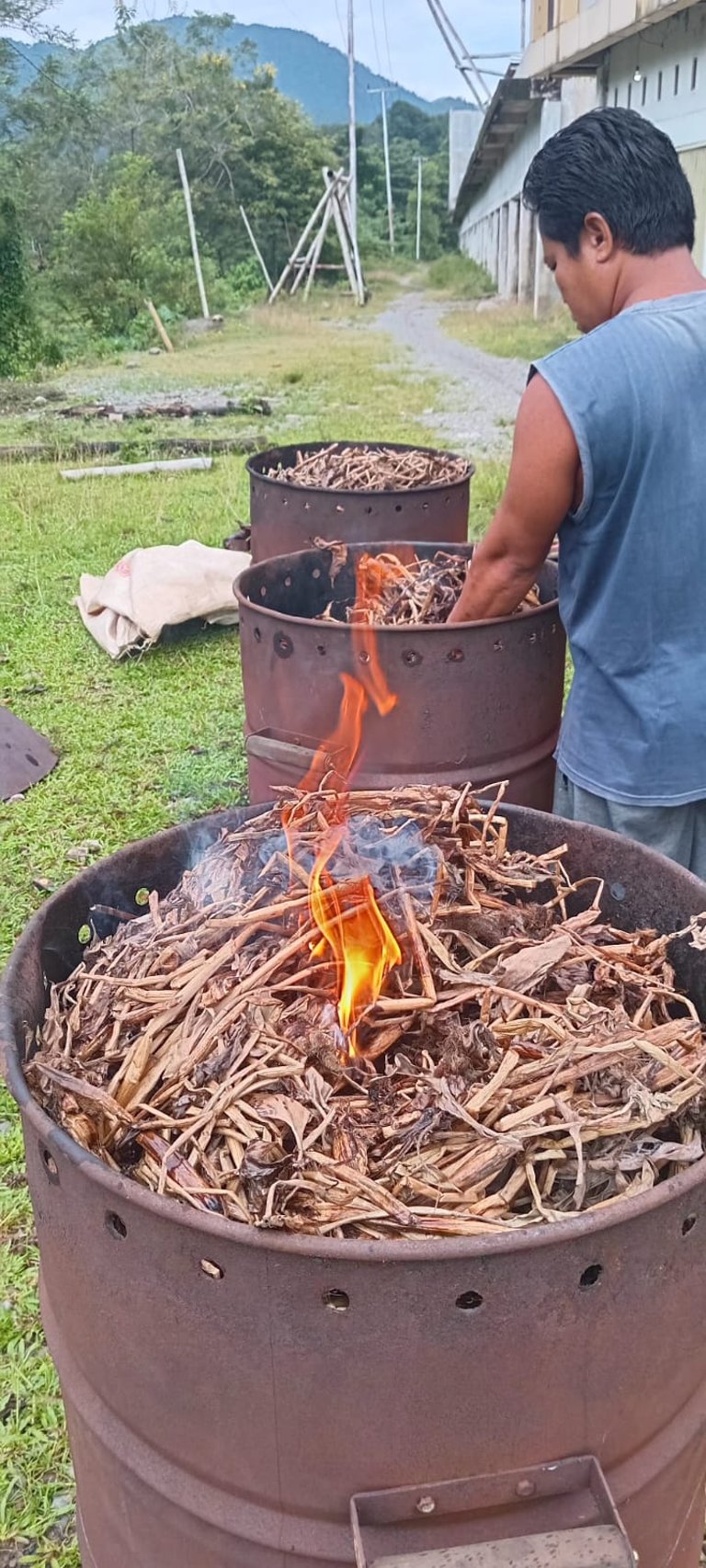
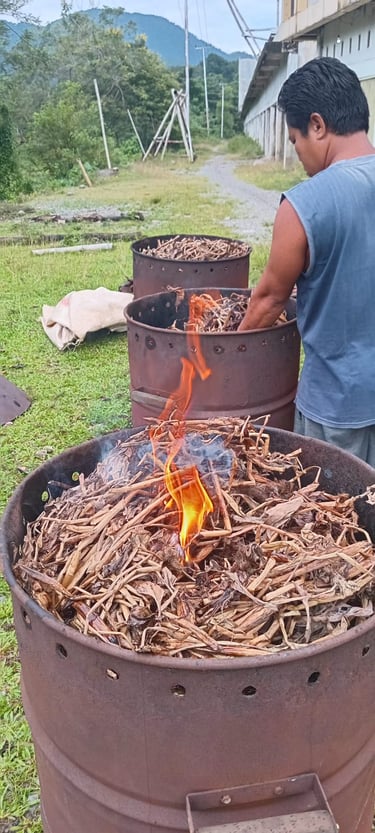
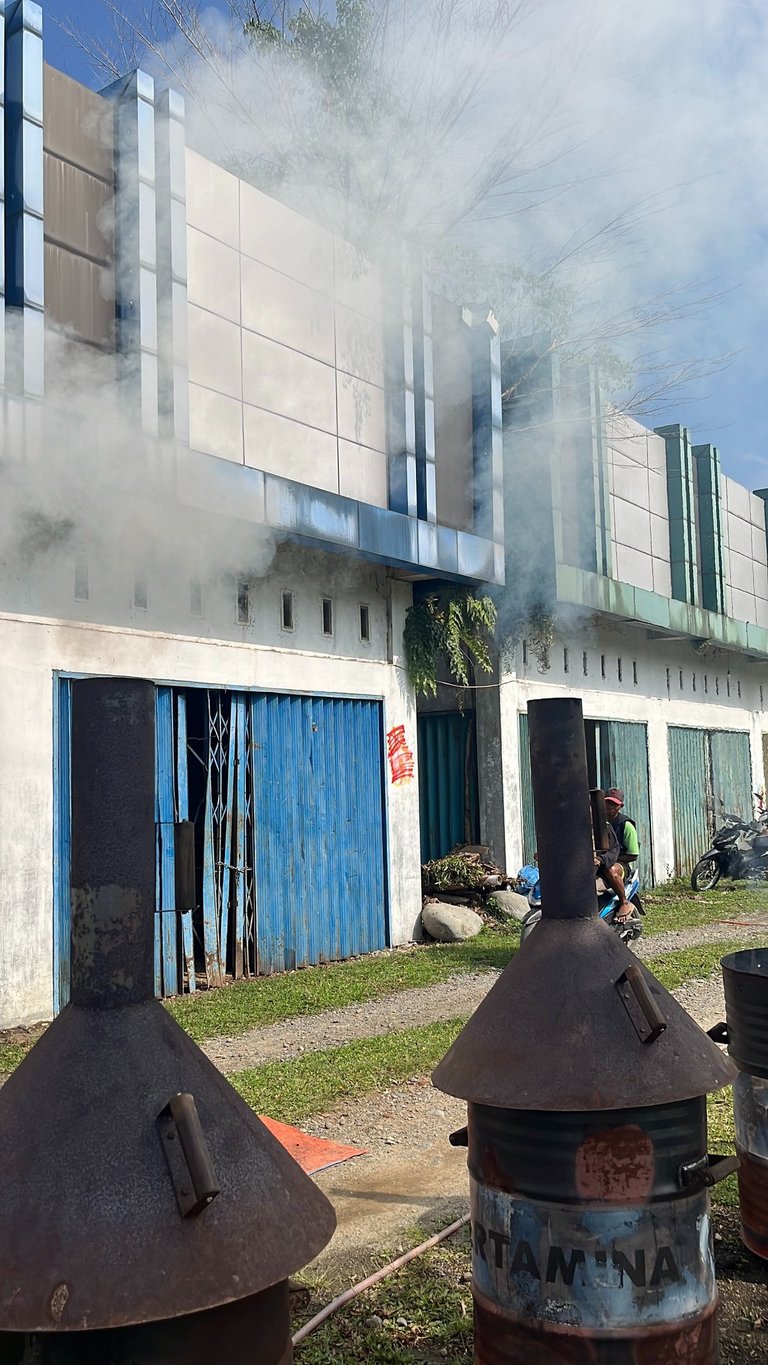
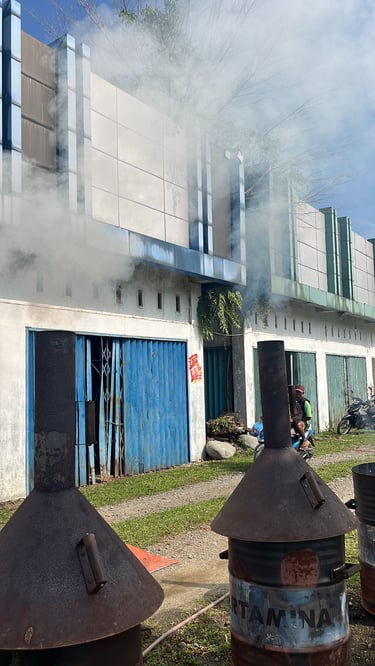
The dried biomass is placed inside a metal drum or a simple kiln.
The materials are heated under limited oxygen conditions.
Restricting oxygen prevents the biomass from burning into ash.
Instead, it slowly carbonizes, producing high-quality biochar rich in stable carbon.
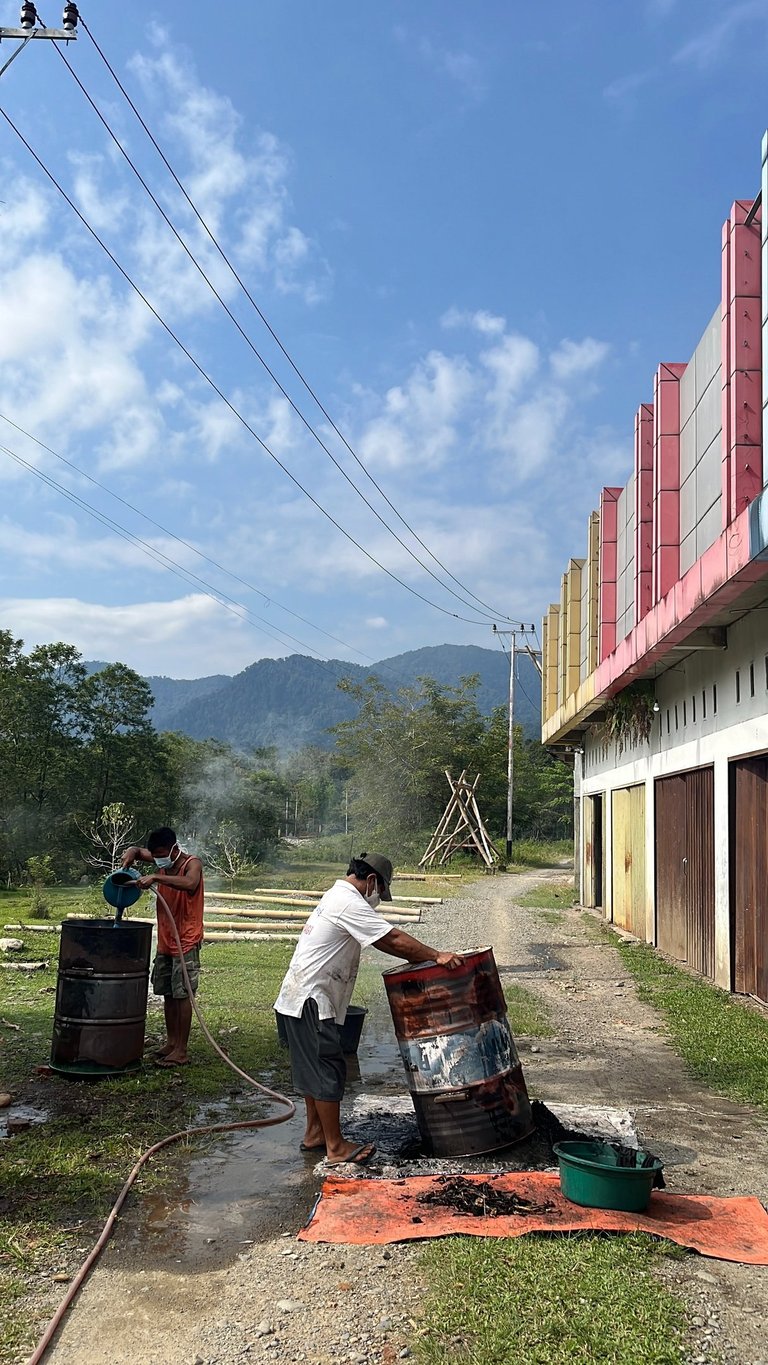
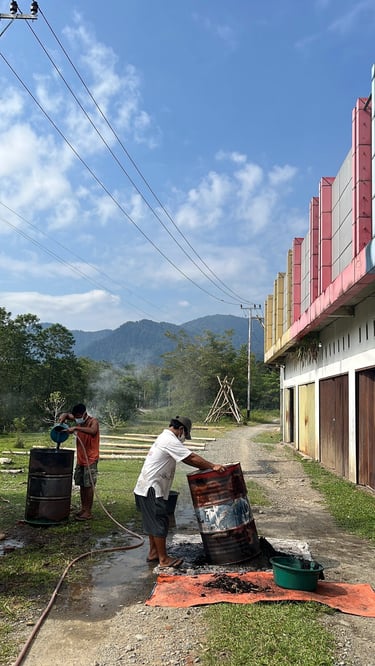
4. Stopping the Carbonization Process
Once the biomass has turned into black charcoal, the carbonization process is stopped.
This can be done by:
Sealing the drum to cut off the oxygen supply, or
Carefully extinguishing the fire with a controlled amount of water.
This step ensures the biochar is preserved without being reduced to ash.
5. Cooling and Crushing
After carbonization is complete:
The biochar is allowed to cool completely.
It is then crushed into smaller particles, making it easier to transport, mix, and apply to the soil.
6. Activating the Biochar
Before application, the biochar is activated by mixing it with:
Compost
Organic fertilizer
This process fills the biochar's porous structure with nutrients and beneficial microorganisms, allowing it to improve soil fertility immediately after application.
Address
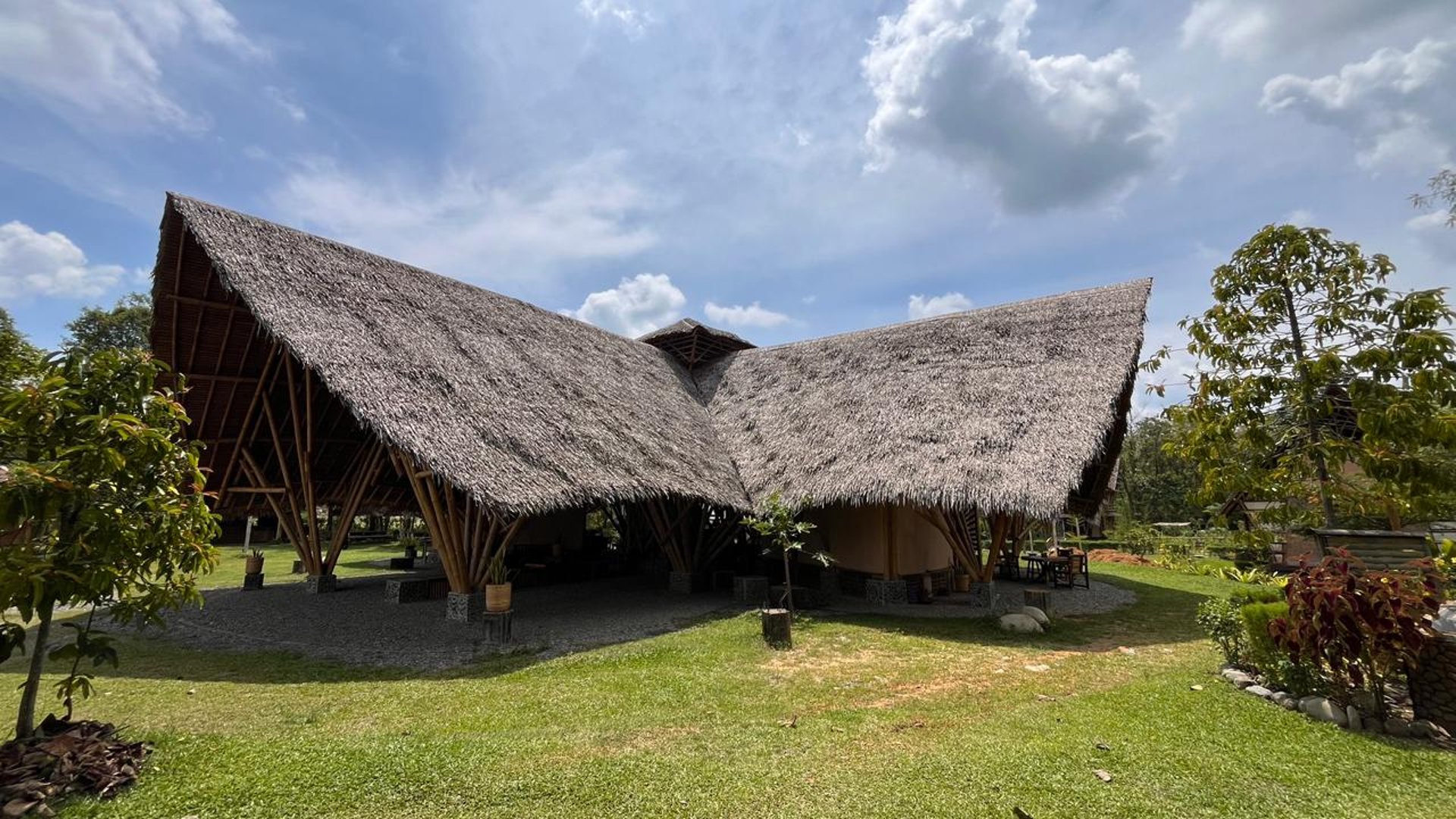
Recycling Village, G4RH+X7Q, Sampe Raya, Bohorok, Langkat Regency, North Sumatra 20852
Contacts
0823-7968-8261
info@project-wings.org